Mile Three: Across the Years
By Luke Carothers
We set forth yet again in pursuit of excellence. We are racking up the miles to explore the broad tapestry of the built environment and the influence our 2026 class of Rising Stars has had on it. Our travels this week take us from Florida’s sandy coastal islands through the hilly heart of Alabama to Huntsville and onto the crossroads of Dallas.
From palm trees to mesquite thickets, from small towns to the big city, the miles between reveal a new layer of influence the 2026 Rising Stars has had on the American landscape already. Along the way, we’ll encounter some projects that tell different stories about the places they serve. Some restore communities after disaster. Others breathe new life into historic downtowns or strengthen the infrastructure that keeps growing regions connected.
Every stop reminds us that the built environment is never static. It reflects the needs of its time while preparing for whatever comes next, and the professionals behind these projects are helping shape that future one community at a time.
Restoration & Resilience
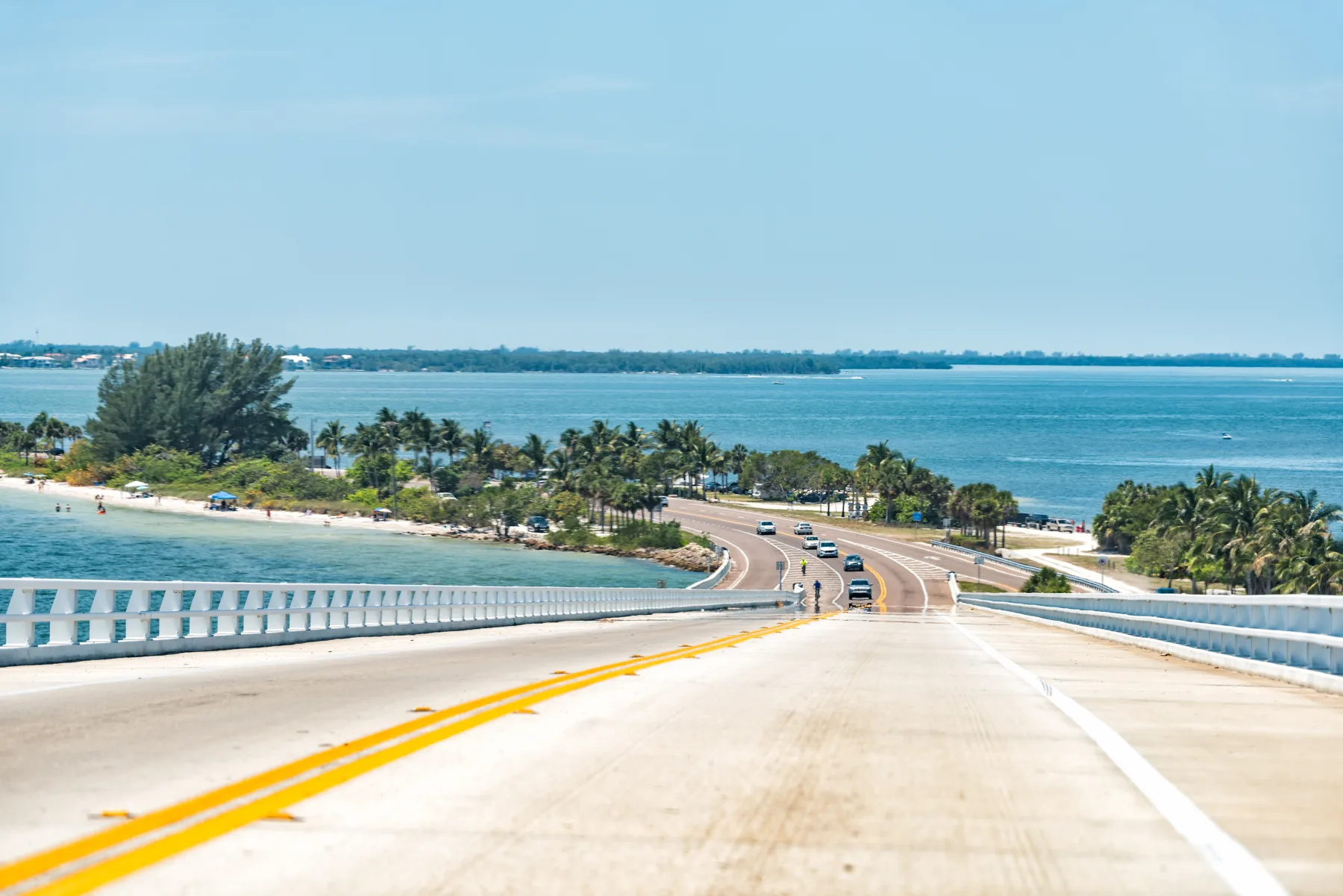
We put tire to pavement in on Florida’s western shores where our first Rising Star this week played a critical role in helping a region recover after a devastating hurricane in late 2022. While Florida proudly bears its sunshine moniker, the state’s infrastructure is routinely tested by the strength of hurricanes and tropical storms.
On September 28th, 2022, Hurricane Ian slammed into Florida’s western flank, delivering sustained winds of up to 150 MPH. In total, the storm claimed 150 lives and caused $112 billion in damage to the state. The damage to infrastructure was immense, but perhaps the most pressing was the destruction of portions of the Sanibel Causeway. This 3-mile series of bridges and artificial islands took the full force of the storm, and its destruction immediately left locals on Sanibel and Captiva islands stranded.
In the aftermath, officials moved quickly to restore the bridge, and engineers and construction crews were soon on the scene. One of those first engineers to begin working on the restoration of the causeway was 2026 Rising Star William Roth who joined as a recent graduate during the project’s emergency phase.
The first step was allowing emergency access to the islands, which was done by building an emergency causeway in just under a week. This allowed a convoy of 450 utility trucks to access the island and begin repairs.
Still, while emergency access was restored, plans for a reconstructed, more resilient causeway were underway. Roth joined the project during the emergency phase, but he stayed on as Field Engineer for the reconstruction of the causeway, performing concurrent functions of project manager, field engineer, and superintendent.
This process of rebuilding and refitting the causeway consisted of replacing vulnerable walls with steel sheet pile systems, elevating the roadway by two feet, and installing 128,000-tons of armor stone.
Construction on the new Sanibal Island Causeway was completed in May 2025, which put the project more than two years ahead of schedule. This remarkable feat of restoration and resilience, led by William Roth and other AEC professionals, is demonstrative of the power and impact of ingenuity.
Rebuilding after a disaster is one way the AEC industry leaves a lasting mark, but lasting impact isn’t always measured by recovery. Sometimes it comes from reimagining the places that have long defined a community and preparing them for a new generation.
Blast from the Past
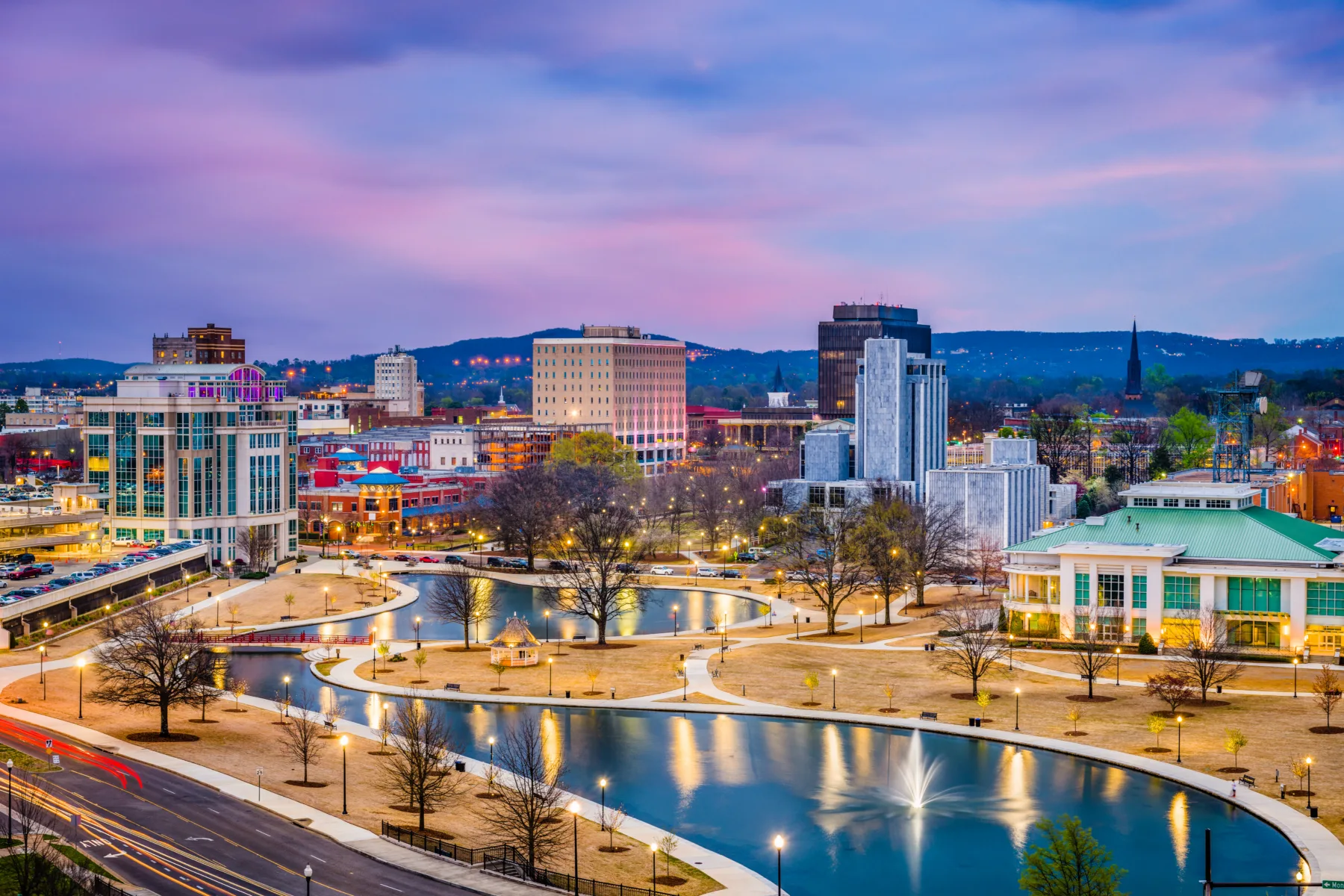
After crossing the causeway, we’ll turn north, riding the coast along the Florida Panhandle before turning north again to cut through the heart of Alabama. We soon arrive in Huntsville, the oldest incorporated town in the state of Alabama. Also known as The Rocket City for its critical role in helping America achieve some of its greatest feats in space, Huntsville has long been a hub of industry for this region of the American South.
As commerce and industry have shifted over the years, Huntsville has consistently demonstrated a forward-thinking vision for the infrastructure supporting it. A prime example of Huntsville’s eye towards the future is 223 Washington Street, also known as the Lewter District Class A Office. This project was conceived of as more than a single building. Rather, this 75,000 square-foot, five story office building was envisioned as a catalyst for downtown Huntsville with the goal of developing the town’s historic core with dense, walkable, mixed-use development.
These goals led to challenges. First and foremost, the building footprint stretched from property line to property line, which left virtually no room for staging, storage, or inefficiency. One of the critical team members helping teams overcome the unique challenges of such a project was 2026 Rising Star Will Cotten. Will served as a critical connector between the structural steel team and the building envelope team, helping coordinate the design-for-approach method required to make those systems compatible for offsite fabrication.
Despite these challenges, 223 Washington Street now stands proudly at the heart of Huntsville’s downtown and will continue to support the city’s population, commerce, and industry as it grows and shifts in the coming years.
As the Rocket City enters our rear-view mirror and begins to fade, we are reminded of the impact the AEC industry and its professionals can have on people, communities, and regions.
From preserving the character of an established downtown, our journey continues west to a city that built its identity on movement. As we approach Dallas, the focus shifts from revitalizing history to supporting the infrastructure that keeps one of America’s fastest growing regions moving forward.
Creating & Maintaining the Crossroads
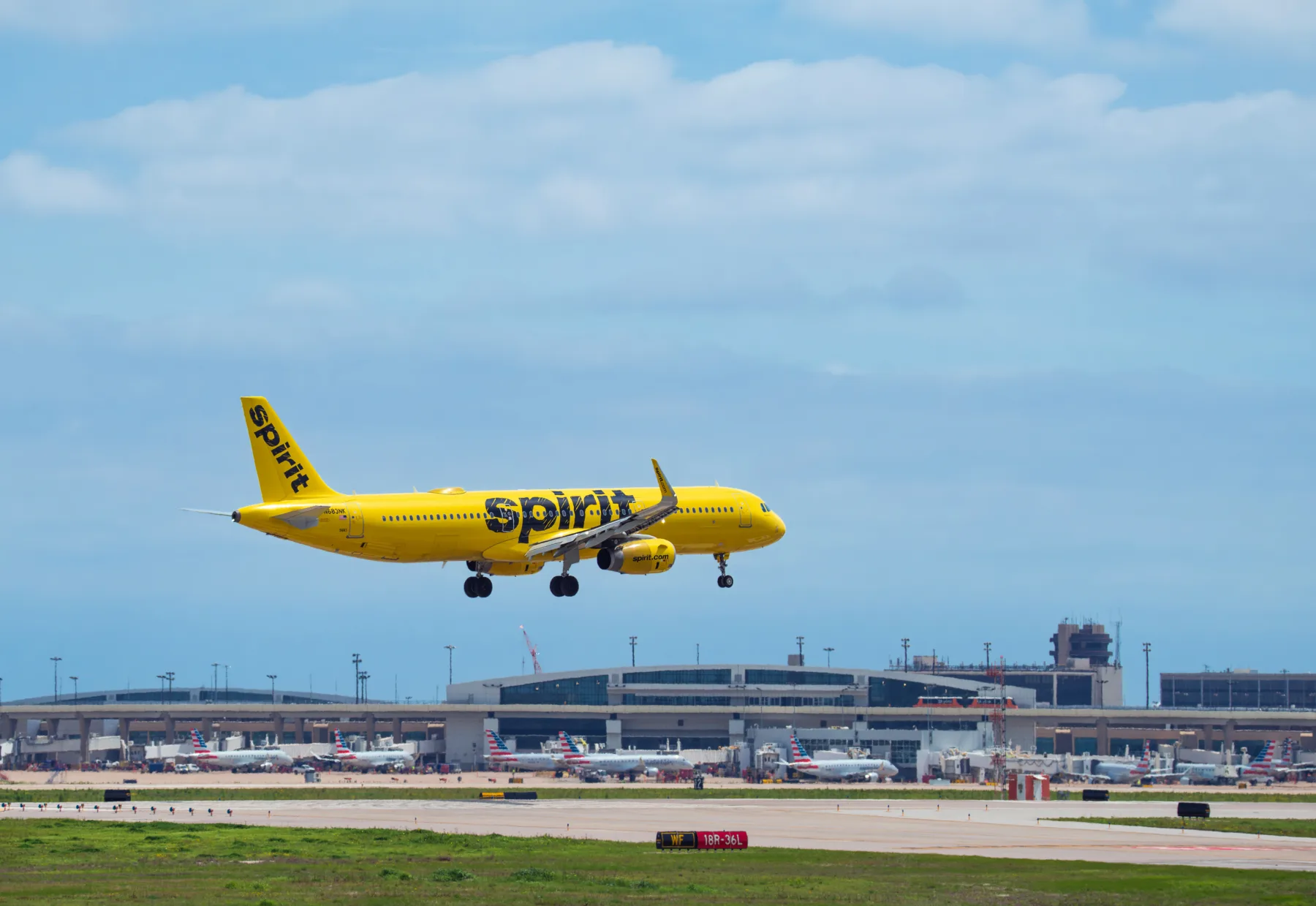
Dallas has always been a nexus of movement. Founded along the banks of the Trinity River and taking advantage of a natural ford, the city was first established as a trading post to supply settlers moving into Texas. The town grew quickly from the time of its founding, and it soon became an important crossroad for trade and commerce. In 1873, the population boomed again as Dallas became one of the first places in Texas where two rail lines intersected. Less than a century later, Dallas would again be at the forefront of infrastructure development when it became a major intersection for interstate highways.
This history of movement and the infrastructure to support it continues today with hubs like the Dallas Fort Worth Airport (DFW). First opened in 1974, DFW has grown into one of the busiest airports in the world, ranking in the top five internationally for airports by passenger traffic and aircraft movements.
Supporting this kind of movement requires a lot of time and ingenuity, which is where 2026 Rising Star Maddie Bratcher shines. Maddie has worked to support major airfield and terminal improvements by overseeing subsurface utility engineering investigations. Through this work, she informed design decisions in what is a highly constrained airport environment, which reduced the risk of utility conflicts during construction. This further supported planning across taxiway, terminal, and other infrastructure improvements.
The work being done by Maddie and the other AEC professionals to support, maintain, and expand the infrastructure in Dallas through hubs like DFW is a demonstration of the region’s eye towards the future.
Whether restoring a lifeline after disaster, helping reshape a historic downtown, or strengthening one of the world’s busiest transportation hubs, each stop on this week’s journey reflects a different expression of the same commitment to building communities that can thrive for decades to come.
Miles Well Traveled
Every stop on this journey has revealed a different way the AEC industry shapes the places we call home. In Florida, it meant restoring a community after disaster. In Huntsville, it meant helping a historic downtown evolve for the future. In Dallas, it meant strengthening the infrastructure that keeps the city moving forward. Though each project serves a different purpose, they share the same foundation: thoughtful design, collaboration, and a commitment to building stronger communities.
source https://zweiglist.com/mile-three-across-the-years/
تعليقات
إرسال تعليق