Mile One: The Rising Stars of the Northeast
By Luke Carothers
Forget the fastest route. Leave the GPS at home. We’re going old school this summer. That’s right, the Zweig List is taking a road trip this summer, and we’re bringing you along with us. Some road trips are planned around scenic highways, beaches, or stunning vistas. Ours is built around the people shaping what’s next.
There’s something uniquely American about a summer road trip. The windows come down. The map unfolds. Every mile brings a new landscape, a new skyline, and a new story waiting just beyond the next exit.
Across the country, the 2026 class of Rising Stars is leaving its mark on the built environment. They’re designing the places where people gather, solving complex infrastructure challenges, restoring landmarks, and creating things that will serve communities for generations to come. Some projects transform entire city blocks. Others quietly improve the everyday experience of the people who use them. Together, they tell the story of an industry shaping the future one community at a time.
First Stop: The Northeast Corridor
Our first stop takes us to the Northeast, where some of America’s most recognizable places tell stories that stretch back centuries. The journey begins in Rochester, where neighborhoods built during the city’s industrial rise continue to evolve alongside world-class research. From there, the road follows the Hudson River south to New York City, where towers of glass gleam in the morning sun as millions of people move through streets, parks, subways, and buses that never seem to stop. Finally, we’ll arrive in Philadelphia, where historic landmarks stand alongside modern infrastructure that keeps one of the nation’s oldest cities moving.
Each destination has its own identity but a common foundation. Behind every skyline, neighborhood, and busy intersection are the architects, engineers, planners, and construction professionals shaping how these communities function today while preparing for tomorrow.
Our first group of Rising Stars is doing just that. From highly specialized research facilities to inclusive public spaces and safer multimodal streets, they’re helping write the next chapter for cities that have spent generations reinventing themselves.
Building on a Legacy of Innovation
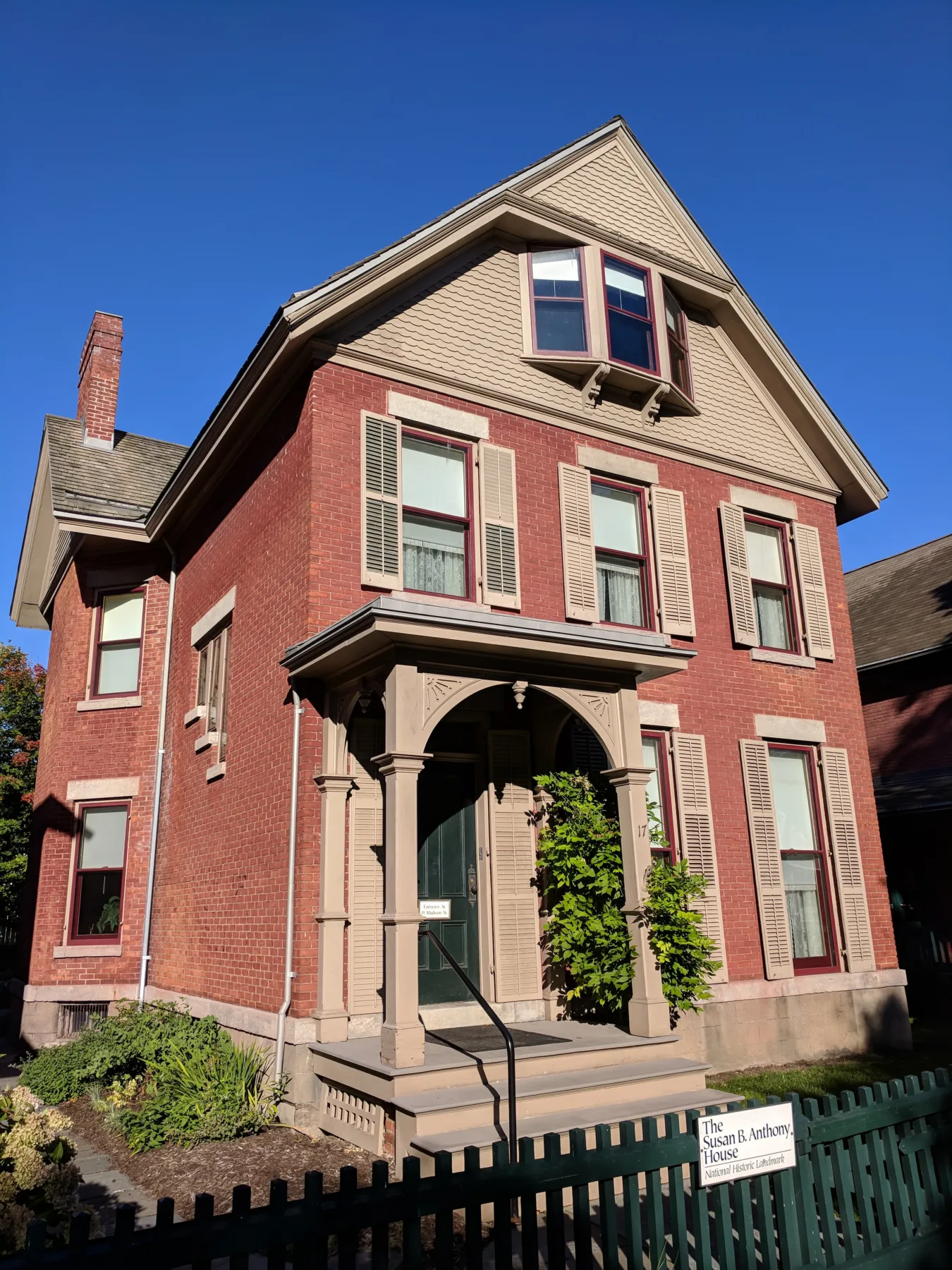
Long before Rochester became a hub for optics and advanced research, it was one of the country’s first boomtowns. Industries flourished along the Genesee River, neighborhoods expanded, and a culture of innovation took root. Today, that same spirit lives in the city’s laboratories, universities, and institutions.
At the University of Rochester’s Laboratory for Laser Energetics, Gianfranco Pietrantoni helped bring one of those cutting-edge spaces to life. As project manager, he coordinated the complex infrastructure behind an ultrasensitive laser research facility, balancing the needs of researchers with the technical demands of precision construction.
His work also extends beyond the laboratory. At the Susan B. Anthony Interpretive Center, Gianfranco helped create a space that honors one of America’s most influential advocates for equality. Inspired by movement and progress, the museum connects visitors to Anthony’s legacy while encouraging the next generation to shape their own.
From advancing scientific discovery to preserving history, Gianfranco’s work reflects the same spirit that has driven Rochester for generations.
Designing for Everyone
Few cities ask more of their built environment than New York. Every day, millions of people navigate its streets, transit systems, theaters, parks, and public spaces. Success isn’t measured by how impressive a place looks. It is measured by how well it works for everyone who uses it.
That people-first philosophy defines Kelsey Habla’s work.
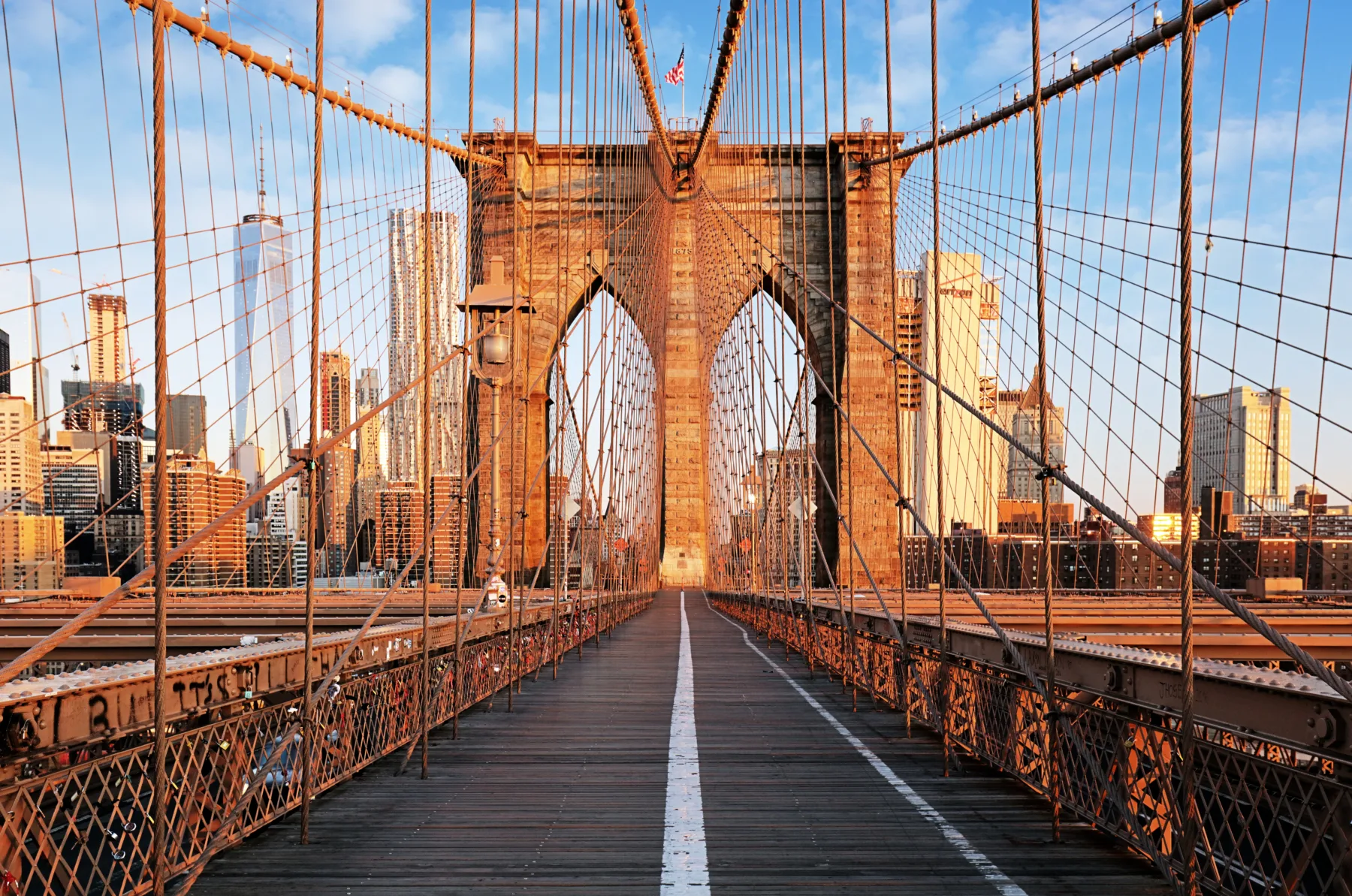
As a senior consultant at Arup, Kelsey has helped build the firm’s universal design practice across the Americas, encouraging project teams to think beyond standards and create spaces that welcome people of all abilities and backgrounds. Her work combines acoustics, experience design, and stakeholder engagement to ensure the voices of those who will ultimately use a space help shape it from the very beginning.
One example of this work is the Lower East Side Girls Club expansion, where Kelsey managed the delivery of acoustics and audiovisual systems for a new education and wellness center. The project also became an opportunity to inspire the next generation, as she welcomed students into Arup’s SoundLab to explore careers in engineering and design.
The same commitment extends beyond project work. As a leader of Arup’s Connect Women group in New York, Kelsey has created opportunities for mentorship, professional development, and community service. Her actions have helped build a stronger, more inclusive profession alongside a more inclusive built environment. In the city famous for being a melting pot, Kelsey is helping ensure the places they share are designed with that same belief in mind.
Keeping History Moving
Philadelphia has never stood still. From the earliest streets that connected a growing nation to today’s network of roads, transit, and trails, the city has continually adapted to meet the needs of the people who call it home. Every new improvement becomes another layer in a city that has been evolving for more than three centuries. Laurel Welch is one of the people helping shape that next layer.
As a construction engineer, Laurel brings a rare perspective to every project, drawing on experience in both design and construction to solve challenges before they become costly delays. That collaborative approach has made her a trusted leader on some of the region’s most important transportation improvements.
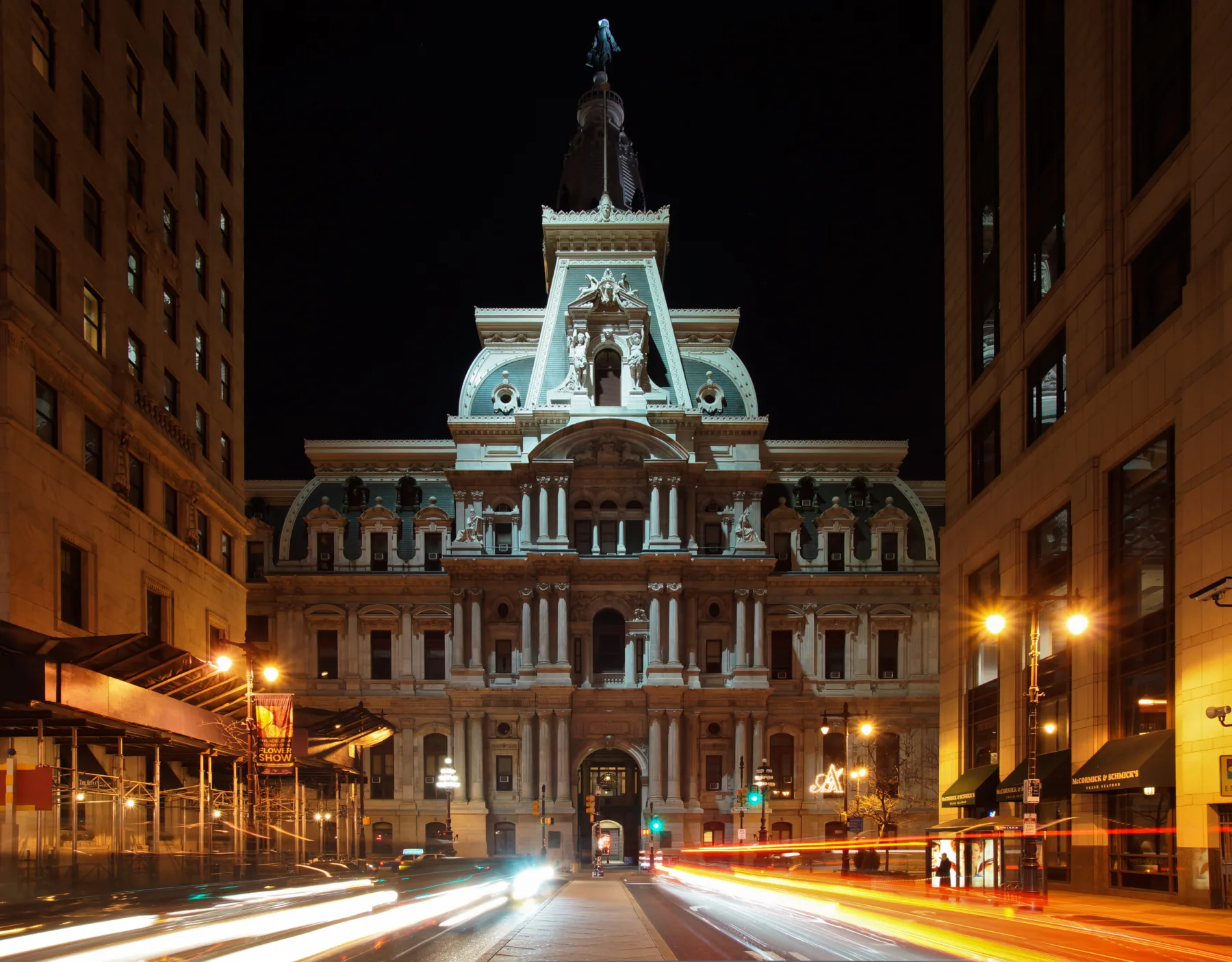
She currently leads construction management for Philadelphia’s Island Avenue Improvement Project, which is a Vision Zero initiative focused on creating safer, more accessible streets for drivers, cyclists, pedestrians, and transit users alike. She also serves as construction manager for improvements along the Broad, Germantown, and Erie corridor where she helps deliver roadway, signal, bicycle, and pedestrian upgrades through careful coordination between city, state, and federal agencies.
Whether managing complex infrastructure or mentoring the next generation through professional organizations and STEM outreach, Laurel understands that strong communities are built through thoughtful leadership as much as thoughtful engineering. In a city where history is found on nearly every block, Laurel is helping ensure the streets connecting those places are ready for whatever comes next.
The Road Ahead
Every city leaves an impression. Some do it through iconic skylines. Others through historic streets, groundbreaking discoveries, or the quiet details that make daily life safer, easier, and more connected. Along this first stop in our tour, one thing became clear. The future isn’t being built by chance. It’s being shaped by people willing to imagine what’s possible and then bring it to life.
Whether advancing world-class research in Rochester, creating more inclusive experiences in New York City, or delivering infrastructure that keeps Philadelphia moving, Gianfranco Pietrantoni, Kelsey Habla, and Laurel Welch are proving that the next generation of industry leaders is already making a lasting impact on the communities around them.
But there’s plenty of road left to explore.
Our journey continues next week as we head further down the East Coast to meet another group of Rising Stars transforming communities in Maryland, North Carolina, and Florida. Pack your bags. The next stop is just around the bend.
source https://zweiglist.com/mile-one-the-rising-stars-of-the-northeast/
تعليقات
إرسال تعليق